
When students travel abroad, it’s easy to think the value lies in how many landmarks they see or photos they bring home. But for young musicians, the most meaningful growth rarely comes from rushing between attractions. True development happens when travel becomes immersive—when students engage with history, people, and place in ways that deepen both their musicianship and their worldview. That distinction is what separates cultural immersion from simple sightseeing for student musicians.
Beyond the “Check-the-Box” Travel Experience
Traditional student trips often focus on exposure: seeing famous sites, taking group photos, and moving on to the next destination. While memorable, these experiences are often passive. Students observe, but they don’t always connect.
Cultural exchange music tours, on the other hand, invite participation. For student musicians, that means performing in historic spaces, learning the stories behind the music, and understanding how culture shapes artistic expression. Instead of asking, “What did I see?” students begin asking, “What did I learn—and how did it change me?”
Music as a Cultural Language
Music doesn’t exist in a vacuum. It’s shaped by history, geography, belief systems, and community. When students perform abroad, especially in culturally significant settings, they begin to understand music as a living language rather than just notes on a page.
Through immersive travel, students see how European traditions influenced the music they play today. They hear how acoustics, architecture, and local customs affect performance. This kind of learning simply can’t be replicated through sightseeing for student musicians alone—it requires time, context, and intention.
Emotional Growth Through Meaningful Experiences
One of the most powerful outcomes of cultural immersion is emotional maturity. Standing in a historic square, cathedral, or place of remembrance encourages reflection. Students learn empathy by engaging with real stories, not summaries in a textbook.
These moments often become emotional anchors of the trip. Musicians perform with greater intention because they understand the weight of the setting. They begin to recognize music’s role in honoring history, expressing identity, and bringing people together across borders.
Parents frequently notice this change when students return home: increased confidence, independence, and a deeper sense of purpose.
Why Immersion Strengthens Musicianship
Cultural immersion also sharpens musical skill. New environments challenge students to adapt—to different acoustics, audiences, and performance expectations. They learn to listen more carefully, respond more thoughtfully, and perform more expressively.
Rather than focusing on how many places they’ve visited, students focus on how each experience shapes their performance. This is where growth accelerates. The difference between immersive travel and surface-level sightseeing for student musicians becomes clear in how students play, communicate, and carry themselves as artists.
How American Music Abroad Prioritizes Immersion
At American Music Abroad, cultural immersion is not an add-on—it’s the foundation. Our international music tours for students are intentionally designed to balance performance with meaningful cultural and historical engagement. Students don’t rush through Europe; they experience it with purpose.
By carefully selecting performance venues, educational site visits, and shared group experiences, AMA ensures that students are actively participating in culture rather than observing it from the sidelines. Structured schedules, guided context, and experienced staff help transform each stop into a learning opportunity.
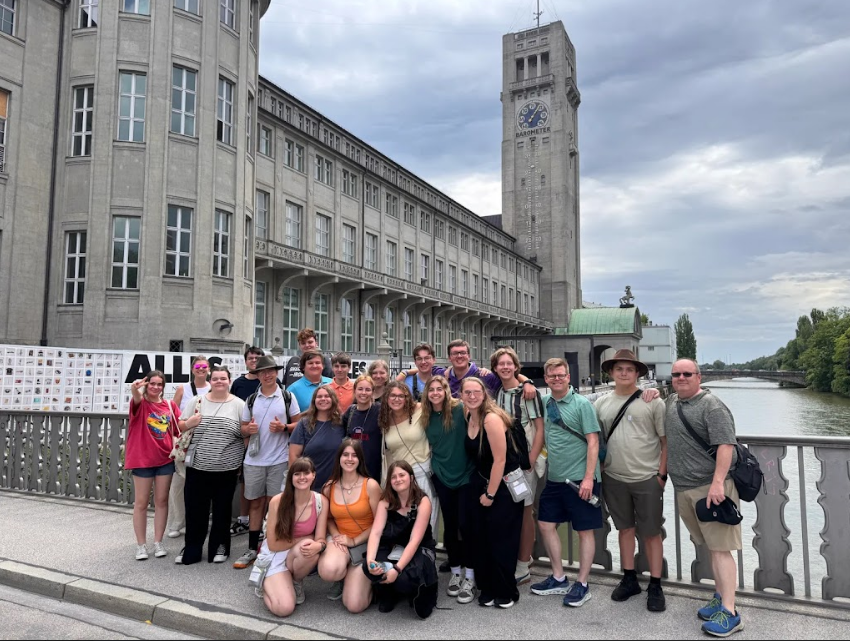
Years later, most students won’t remember every landmark they saw—but they will remember how it felt to perform, reflect, and connect. Cultural immersion creates memories rooted in growth, not just movement.
For families considering music travel opportunities for high school musicians, the question isn’t how much ground a student can cover, but how deeply they can engage. When travel is immersive, music becomes more meaningful, learning becomes personal, and the journey lasts far beyond the return flight. That is why cultural immersion will always matter more than sightseeing for student musicians. Contact us today for more information.